Obesity is a chronic medical condition driven by genetics, hormones, metabolism, and environment. It is not a reflection of discipline or effort.
Effective weight management relies on more than a single approach. Sustainable results typically come from combining nutrition guidance, physical activity, behavioral support, and medical supervision when appropriate. Whether the goal is to reduce cardiovascular risk, improve blood sugar control, or increase daily energy, the right treatment plan addresses the root causes of weight gain while supporting long-term health.
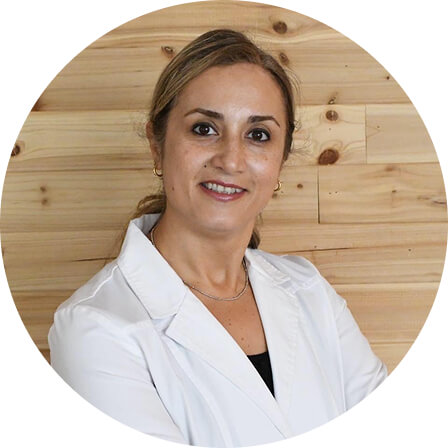
At Hilltop Internal Medicine & Endocrinology, Dr. Kehinde Folawewo, MD, develops evidence-based obesity treatment plans tailored to each patient’s specific health profile.
Understanding Obesity and Its Impact on Health
Obesity occurs when excess body fat accumulates to a degree that disrupts normal health. Body mass index (BMI) is one common screening tool, calculated by dividing weight in kilograms by height in meters squared. However, BMI alone does not capture the full picture. Waist circumference, body composition analysis, and metabolic markers such as fasting glucose and lipid levels provide a clearer assessment of individual risk.
Multiple factors contribute to weight gain beyond diet and activity. Genetics influence how the body stores fat and regulates appetite. Hormonal conditions such as hypothyroidism, insulin resistance, and polycystic ovary syndrome (PCOS) can make weight management significantly more difficult. Sleep deprivation, chronic stress, and certain medications also play measurable roles.
Excess weight raises the risk of several serious health conditions:
- High blood pressure: Increased body fat raises vascular resistance and strains the cardiovascular system.
- Type 2 diabetes: Fat accumulation around internal organs promotes insulin resistance.
- Sleep issues: Excess weight around the airway increases the risk of sleep apnea and disrupted sleep cycles.
- Joint discomfort: Knees, hips, and the lower back absorb greater mechanical stress with added weight.
- Heart disease risk: Elevated cholesterol, arterial inflammation, and metabolic syndrome become more likely as body weight increases.
Fat tissue also produces estrogen, which can disrupt menstrual cycles and affect hormonal balance. Treating obesity often leads to meaningful improvements in these related conditions.
Start personalized care
with an expert endocrinologist—get answers, not assumptions.
Why Safe Weight Loss Matters
Rapid weight-loss methods often create more problems than they solve. Crash diets and extreme calorie restriction can cause muscle loss, nutritional deficiencies, gallstone formation, and a slowing of the metabolic rate. When the body interprets severe calorie reduction as starvation, it becomes more efficient at storing fat, which makes further weight loss harder and regain more likely.
Unregulated weight-loss products marketed as teas, supplements, or powders frequently lack clinical evidence. Some contain ingredients that may cause liver damage, irregular heart rhythms, or dangerous interactions with prescription medications. The U.S. Food and Drug Administration (FDA) has issued multiple warnings about fraudulent weight-loss products that carry real safety risks.
Physician-guided care ensures that treatment aligns with a patient’s actual health status. Medical supervision identifies contraindications, watches for side effects, and adjusts plans as conditions change. The Centers for Disease Control and Prevention (CDC) recommends losing 1 to 2 pounds per week as the standard for safe, sustainable weight loss. This pace preserves lean muscle mass, maintains metabolic rate, and improves the odds of keeping weight off over the long term.
Safe Obesity Treatments That May Help
Nutrition and Lifestyle Changes
Balanced nutrition is the foundation of any effective obesity treatment plan. Rather than eliminating entire food groups, sustainable eating patterns focus on whole foods, including vegetables, lean proteins, whole grains, and healthy fats, while limiting processed foods, added sugars, and refined carbohydrates.
Portion management tends to matter more than strict calorie counting for most patients. Smaller plates, mindful eating habits, and attention to hunger and fullness cues help regulate food intake without creating a sense of restriction that leads to rebound eating.
Regular physical activity supports weight management in several ways. It burns calories, builds muscle mass that raises resting metabolic rate, improves insulin sensitivity, and supports mood. Most adults benefit from at least 150 minutes of moderate-intensity aerobic activity per week, alongside resistance training twice weekly. Patients with joint pain or mobility limitations can consider low-impact alternatives such as swimming, cycling, or seated exercises.
Sleep and stress management affect weight through measurable hormonal pathways. Poor sleep raises ghrelin, a hormone that signals hunger, while lowering leptin, which signals fullness. Chronic stress elevates cortisol, which promotes fat storage around the abdomen. Aiming for 7 to 9 hours of sleep per night and using practical stress-reduction strategies can meaningfully support metabolic health.
Behavioral Support and Counseling
Daily habits drive food choices and activity levels far more than motivation alone. Behavioral interventions help patients identify the specific triggers behind overeating, build healthier routines, and develop practical skills for managing setbacks.
Emotional eating, using food to manage stress, boredom, or anxiety, is a common pattern that often works against weight-loss goals. Cognitive behavioral therapy (CBT) and related counseling approaches teach practical coping strategies and help patients distinguish between physical hunger and emotional urges.
Accountability structures consistently improve outcomes. Regular check-ins with healthcare providers, working with a registered dietitian, or participating in a structured support group create external motivation and offer opportunities to address obstacles before they derail progress.
Medical Weight Management Programs
Comprehensive medical weight management programs bring multiple treatment elements together under direct physician supervision. At Hilltop Internal Medicine & Endocrinology, Dr. Folawewo conducts thorough evaluations covering medical history, physical examination, laboratory testing, and a review of prior weight-loss attempts.
Personalized treatment plans reflect each patient’s specific circumstances. A patient with undiagnosed hypothyroidism, for example, requires thyroid hormone replacement before other interventions will produce results. Someone with insulin resistance may benefit from medications that improve glucose metabolism. Patients managing PCOS often need treatment for the underlying hormonal imbalance alongside weight management strategies.
Regular monitoring tracks progress and catches problems early. Follow-up visits allow for plan adjustments, medication changes, and continued support. This structured approach treats obesity as a chronic condition requiring ongoing management rather than a short-term effort.
Prescription Weight Management Options
Medications may be considered when lifestyle modifications alone do not produce adequate results. The decision to prescribe weight-management medications depends on BMI, the presence of weight-related health conditions, and any contraindications specific to the patient.
FDA-approved options currently include:
- GLP-1 receptor agonists (semaglutide, liraglutide): These medications slow gastric emptying, reduce appetite, and improve blood sugar control. Originally developed for type 2 diabetes, they have demonstrated significant weight-loss results in clinical trials.
- Combination medications (phentermine/topiramate, naltrexone/bupropion): These work on brain pathways that regulate appetite and reward.
- Lipase inhibitors (orlistat): This medication reduces dietary fat absorption in the intestines.
All prescription weight-management medications require medical supervision. Side effects vary but may include nausea, constipation, dry mouth, or increased heart rate. Medications work best alongside nutrition and activity changes. They are tools that make healthy habits more achievable, not standalone solutions.
Surgical Treatment Options
Bariatric surgery may be recommended for patients with severe obesity (BMI of 40 or higher) or those with a BMI of 35 or higher who also have serious weight-related health conditions and have not achieved adequate results through other treatments.
Common procedures include:
- Gastric sleeve (sleeve gastrectomy): Removes a portion of the stomach, reducing its capacity and the production of hunger hormones.
- Gastric bypass (Roux-en-Y): Creates a small stomach pouch and reroutes the small intestine, limiting both food intake and nutrient absorption.
- Adjustable gastric band: Places an inflatable band around the upper stomach to restrict food intake.
Surgery typically produces significant weight loss, often 50% to 70% of excess body weight, and frequently improves or resolves type 2 diabetes, high blood pressure, and sleep apnea. However, patients must commit to lifelong dietary changes, vitamin supplementation, and consistent follow-up care. Eligibility requires psychological evaluation, nutritional counseling, and medical clearance. Surgery addresses a serious medical condition, not cosmetic concerns.
What to Expect During an Obesity Evaluation
The initial consultation at Hilltop Internal Medicine & Endocrinology typically runs 40 to 60 minutes. Dr. Folawewo conducts a thorough review of medical history, including prior weight-loss attempts, current medications, family history, and any diagnosed conditions that may affect metabolism.
A lifestyle assessment covers eating patterns, physical activity levels, sleep quality, stress levels, and the patient’s emotional relationship with food. This information helps identify where the most meaningful opportunities for change exist.
Health screening may include:
- Blood tests: Thyroid function, fasting glucose, hemoglobin A1c, lipid panel, liver enzymes, kidney function, and hormone levels as indicated.
- Body composition analysis: A more detailed picture of muscle mass and fat distribution beyond BMI.
- Blood pressure and cardiovascular assessment: To evaluate existing risk factors and guide treatment planning.
Treatment planning involves discussing all available options, setting realistic goals, and outlining the next steps. Patients leave with a clear understanding of what is recommended, what to expect, and how progress will be tracked. Follow-up schedules are built around the specific treatment plan, with monthly visits for patients starting new medications and less frequent check-ins for those focusing primarily on lifestyle changes.
How Long Does Safe Weight Loss Take?
Safe weight loss of 1 to 2 pounds per week translates to roughly 4 to 8 pounds per month. A patient working toward a 50-pound reduction may need 6 to 12 months of consistent effort. Setting realistic expectations from the start reduces frustration and supports continued motivation.
Progress is rarely a straight line. Plateaus are normal and do not signal failure. The body adapts to calorie reduction by becoming more metabolically efficient, which can temporarily slow results. Adjusting activity levels, reassessing portions, or modifying medications can help move through a plateau.
Consistency, not perfection, drives long-term success. An occasional indulgence or missed workout does not undermine months of progress. What matters is the overall pattern of choices across weeks and months. Maintaining results over time requires ongoing attention to nutrition, activity, and sleep, along with periodic check-ins to catch small gains before they become larger ones.
Benefits of Effective Obesity Treatment
Many patients notice improvements in energy and sleep quality within the first few weeks of treatment, often before significant weight loss has occurred. The benefits build over time as weight decreases and the body responds to healthier habits.
Cardiovascular health improves measurably:
- Improved energy levels: Patients frequently report greater daily stamina as weight decreases and sleep quality improves.
- Better cardiovascular health: Even losing 5% to 10% of body weight can lower blood pressure, reduce LDL cholesterol and triglycerides, and increase HDL cholesterol.
- Increased mobility: Reduced joint stress and improved cardiovascular fitness make physical activity easier and more comfortable.
- Better blood sugar control: Patients with type 2 diabetes may be able to reduce or eliminate diabetes medications. Those with prediabetes can significantly lower their risk of progression.
- Long-term wellness support: Hormonal balance often improves. Women with PCOS may experience more regular menstrual cycles. Men often see testosterone levels rise as body fat decreases. Many patients also report improved confidence and quality of life.
Take the First Step Toward Better Health
Treating obesity starts with understanding the full picture. At Hilltop Internal Medicine & Endocrinology, Dr. Kehinde Folawewo, MD, provides medically supervised weight loss programs built on evidence-based care and personalized treatment plans. The practice accepts private insurance, Medicare, and self-pay patients, and offers both in-person and telemedicine consultations.
The office is located at 6130 Oxon Hill Road, Suite 204, Oxon Hill, Maryland, with dedicated parking and accessible entry. New patient evaluations include a comprehensive health assessment, personalized obesity treatment planning, and structured follow-up support.
Call 240-752-0307 to schedule a consultation and begin a long-term weight management plan built around individual health goals.
Frequently Asked Questions
What is the safest way to lose weight?
The safest approach combines balanced nutrition, consistent physical activity, behavioral support, and medical supervision when needed. Losing 1 to 2 pounds per week through sustainable lifestyle changes reduces risk and improves the likelihood of lasting results. A physician can also identify underlying health conditions that may be contributing to weight gain.
Can obesity be treated without surgery?
Most patients achieve meaningful health improvements through nutrition changes, increased physical activity, behavioral counseling, and medications when indicated. Surgery is typically reserved for severe obesity or cases where other treatments have not produced adequate results after sustained effort.
How quickly can I lose weight safely?
Safe weight loss is typically 1 to 2 pounds per week, though early losses may be faster due to water weight reduction. Losing weight faster than this raises the risk of muscle loss, nutritional deficiencies, gallstones, and metabolic adaptation that can make further progress harder.
Are weight-loss medications safe?
FDA-approved weight-loss medications are safe when prescribed appropriately and monitored by a physician. Dr. Folawewo reviews each patient’s health history, potential contraindications, and treatment goals before recommending any medication. Regular follow-up appointments monitor both effectiveness and any side effects.
How do I maintain results after losing weight?
Maintenance requires continued attention to nutrition, physical activity, sleep, and stress management. Regular self-monitoring, such as weekly weigh-ins or tracking food intake during higher-risk periods, helps catch small gains early. Ongoing medical support provides accountability and allows for timely adjustments if patterns begin to shift.
Do all patients need medication or surgery?
No. Treatment is personalized based on each patient’s specific situation. Many patients reach their goals through lifestyle changes alone. Medications and surgical options are considered when they offer meaningful benefit based on the severity of obesity, the presence of related health conditions, and the outcome of previous treatments.