

Thyroid Treatment in Fort Washington, MD
Living in the scenic, historic waterfront community of Fort Washington offers a beautiful backdrop for a peaceful life. Whether you enjoy walking the trails at Fort Washington Park or relaxing by the Potomac River, you need energy to make the most of your days. However, feeling constantly drained, experiencing unexplained weight shifts, or struggling with a lack of focus can quickly take a toll. Many residents in this part of Prince George’s County neglect these issues as just any other symptom of a busy life, unaware that they might be suffering from an underlying thyroid or endocrine disorder.
Delaying an evaluation allows these disruptive symptoms to continue and increases the risk of long-term complications. At Hilltop Internal Medicine and Endocrinology, Dr. Kehinde Folawewo provides expert thyroid care for patients in Fort Washington, MD. Using targeted testing and personalized treatment plans, he works to restore your hormonal balance and help you feel like yourself again.

What is the Thyroid?
Located at the base of your neck, the thyroid gland plays a crucial, day-to-day role in your overall health. It functions as the body’s internal thermostat, producing hormones that regulate your core temperature, your metabolism, and the pace at which your cells operate.
When thyroid function is stable, your body’s systems run smoothly. But when hormone levels fluctuate, it can heavily impact your stamina, mental clarity, and metabolic rate.
Thyroid Disorders We Treat in Fort Washington, MD
Thyroid problems generally fall into two main categories. We provide thorough evaluation and treatment for both, tailoring our approach to your specific symptoms, lab results, and broader health needs.

Hypothyroidism (Underactive Function)
Hypothyroidism happens when the thyroid does not produce enough hormone to sustain the body’s normal functions. Many patients describe this state as feeling physically and mentally “slowed down.”
- Common symptoms: Low energy and reduced stamina, weight gain that feels impossible to control, dry skin or brittle nails, constipation, hair thinning, and reduced mental focus.
- Common cause: Hashimoto’s disease, an autoimmune condition that gradually impairs the thyroid’s ability to produce hormones.
Hyperthyroidism (Overactive Function)
Hyperthyroidism occurs when the thyroid produces an excess of hormones, forcing the body into a state of overactivity, even when you are trying to rest.
- Common symptoms: Racing heart or palpitations, feeling jittery or continuously on edge, severe trouble sleeping, unintended weight loss, increased sweating or heat sensitivity, and frequent bowel movements.
- Common cause: Graves’ disease, an autoimmune condition that stimulates the thyroid to overproduce hormones.
When Should You Seek a Thyroid Evaluation in Fort Washington?
Because thyroid symptoms can easily overlap with other common conditions, recognizing the patterns is vital. A specialized thyroid assessment is recommended for Fort Washington residents when symptoms are persistent or diminishing your quality of life, including:
- Ongoing fatigue that does not improve with a full night’s rest.
- Noticeable, unexplained changes in weight, appetite, or temperature tolerance.
- A feeling of pressure in the neck, discomfort when swallowing, or a visible lump.
- New cholesterol changes without clear dietary or lifestyle causes.
- Menstrual cycle irregularities or fertility concerns.
- Symptoms of anxiety paired with physical signs like a rapid or irregular heartbeat.
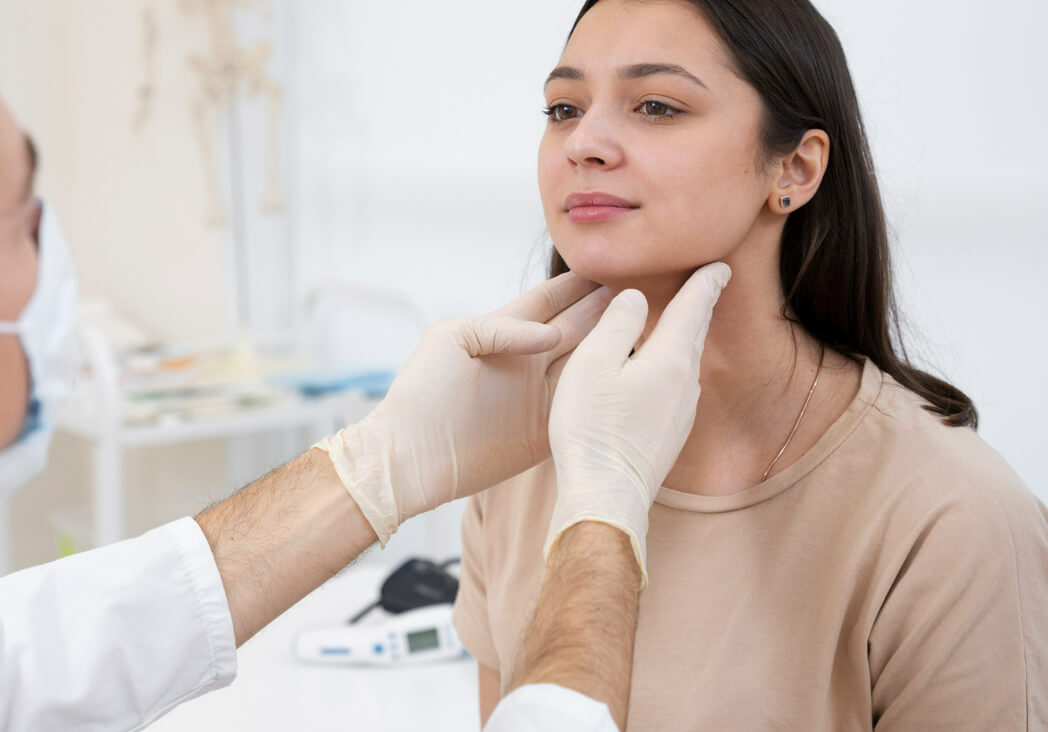
How Thyroid Conditions are Diagnosed in Fort Washington, MD
At Hilltop Internal Medicine and Endocrinology, getting the right diagnosis involves pairing a detailed clinical review with objective testing. Our goal is to identify abnormal values and accurately interpret what they mean for your specific health profile.
Blood Tests
Comprehensive testing usually includes TSH and Free T4, with additional markers like Free T3 evaluated when clinically necessary. If an autoimmune condition is suspected, thyroid antibody testing is utilized to clarify the root cause and predict the expected course of the disease.
High-Resolution Imaging
If there are concerns regarding thyroid enlargement, tenderness, suspected nodules, or abnormal physical exam findings, we may recommend ultrasound imaging. This allows us to evaluate the physical structure of your thyroid and ensures safe, accurate monitoring.
Thyroid Treatment Options in Fort Washington
Once your lab results and clinical exams confirm a diagnosis, Dr. Folawewo selects a treatment path based on your specific condition, severity of symptoms, and individual health factors. The ultimate goal is long-term stability and symptom relief through careful, methodical follow-up.
Medication for Hypothyroidism
The standard treatment for an underactive thyroid involves hormone replacement therapy. Dosing is introduced and adjusted gradually, guided by follow-up lab monitoring and your feedback on symptom changes, until a steady, healthy range is achieved.
Treatment for Hyperthyroidism
Managing an overactive thyroid depends largely on the underlying cause and the degree of hormone elevation. Treatment options may include:
- Medications designed to inhibit excessive hormone production.
- Watchful monitoring in highly specific, mild situations.
- Referrals for specialized secondary treatments when clinically indicated.
Dr. Kehinde Folawewo ensures that all options are explained clearly and step-by-step, making sure the treatment plan aligns perfectly with your diagnosis and risk profile.
Thyroid Care for Women and Men in Fort Washington
Women are more likely to experience thyroid disorders, with symptoms often becoming noticeable during pregnancy, postpartum recovery, and midlife hormonal transitions (menopause). These shifts can affect energy, sleep, weight, and mood.
However, men are also susceptible to thyroid disease. For men, these symptoms are often attributed to work stress, natural aging, or sleep apnea. Our practice provides a structured, equitable approach to evaluating and treating thyroid symptoms in both men and women, ensuring long-term monitoring and stability.
Why Fort Washington Patients Choose Hilltop Internal Medicine and Endocrinology
Thyroid care requires precision, including accurate diagnosis, precise dosing, and dedicated follow-up. Patients from Fort Washington and the surrounding South County areas choose our clinic because we provide:
- Specialized, endocrinology-focused thyroid evaluation and management.
- Diagnostic testing driven by actual symptoms and clinical evidence.
- Individualized care plans based on measurable health targets.
- Clear, direct communication without medical jargon.
- Strategic follow-up plans designed to keep your thyroid stable for the long haul.
Schedule Thyroid Treatment in Fort Washington, MD
If you suspect that a thyroid imbalance is affecting your energy, mood, weight, focus, or sleep, expert care is highly accessible. A clear diagnosis and a personalized management plan can help you feel more consistent and energized day to day.
Call (301) 567-9570 to schedule a comprehensive thyroid consultation for Fort Washington patients today.
Frequently Asked Question
Should I see a thyroid specialist or my primary care doctor for thyroid symptoms?
While primary care doctors can order initial screening labs and manage straightforward cases of hypothyroidism, an endocrinology specialist is crucial when symptoms persist despite treatment, when levels are difficult to stabilize, when autoimmune antibodies are present, or when thyroid nodules require expert monitoring.
Can Fort Washington, MD, patients schedule thyroid care even if the clinic is in Oxon Hill?
Yes. Oxon Hill is incredibly close to Fort Washington, making it highly convenient for our patients. Many residents make the short drive to our office to receive specialized endocrine care directly from Dr. Kehinde Folawewo.
Can thyroid symptoms happen even if my TSH is normal?
Yes. Some patients experience classic thyroid symptoms even when their TSH falls within a “normal” reference range. A complete evaluation often includes Free T4, Free T3, and thyroid antibodies to see the full picture.
What should Fort Washington patients bring to a thyroid appointment?
To make your visit as efficient as possible, please bring any recent thyroid lab results, a complete list of your current medications and supplements (especially noting if you take Biotin), and any prior thyroid ultrasound reports.