Getting ready for a first specialist visit can feel stressful, especially if PCOS symptoms have already been affecting daily life. Irregular periods, weight changes, acne, unwanted hair growth, scalp hair thinning, and trouble with blood sugar can make it hard to know where to start. That is why understanding what to expect at your first endocrinologist appointment for PCOS can help you feel more prepared and more confident. PCOS is a hormone condition, so an endocrinologist is often the right specialist for a comprehensive evaluation.
What Is PCOS and Why See an Endocrinologist?
PCOS, or polycystic ovary syndrome, is a common hormone disorder that can affect periods, ovulation, skin, hair, weight, insulin response, and long-term metabolic health. Current guidance describes PCOS as a condition with reproductive, metabolic, and psychological effects, and many patients experience delayed diagnosis or frustration with care.
An endocrinologist is a strong fit for PCOS because the condition is closely tied to hormones and insulin resistance. Diagnosis is usually based on at least two of three findings: irregular ovulation or periods, signs of excess androgens such as acne or excess hair growth, and polycystic ovaries on ultrasound, after ruling out other causes that can look similar.
At Hilltop Internal Medicine and Endocrinology, Dr. Kehinde Folawewo offers PCOS treatment focused on hormone balance, insulin resistance, and individualized care plans designed around each patient’s symptoms and goals. Endocrine care can be especially helpful when PCOS symptoms are severe, hard to control, or tied to weight and metabolic issues.
Before Your Appointment: How to Prepare
A little preparation can make your first PCOS endocrinologist visit more useful.
Organize your records
Bring previous lab results, ultrasound reports, ovarian imaging, and records related to insulin, glucose, cholesterol, or thyroid testing. PCOS symptoms can overlap with thyroid problems and other hormone conditions, so old results can save time and help your doctor compare patterns. Thyroid testing matters because thyroid disease can mimic or overlap with PCOS symptoms.
Write down your symptoms and goals
Track things like:
- How often your periods come
- Acne changes
- Facial or body hair growth
- Scalp hair thinning
- Weight gain or trouble losing weight
- Cravings, fatigue, or signs of insulin resistance
This helps your doctor spot patterns faster.
Bring a medication and supplement list
Include the names, doses, and timing for prescriptions, vitamins, supplements, and over-the-counter products. Some medicines can affect hormones, blood sugar, or testing.
Prepare your questions
Helpful questions include:
- What tests will I need?
- Do my symptoms fit PCOS?
- Could thyroid disease or another hormone condition be part of this?
- What treatment options fit my health goals?
- How long does it usually take to see improvement?
Check insurance and referrals
Some health plans require a referral or prior authorization before a specialist visit. It is worth checking before the appointment.
What Actually Happens During the Appointment
Many people ask, “What happens at endocrinologist appointment for PCOS?” In most cases, the visit includes four main parts.
1. Initial consultation
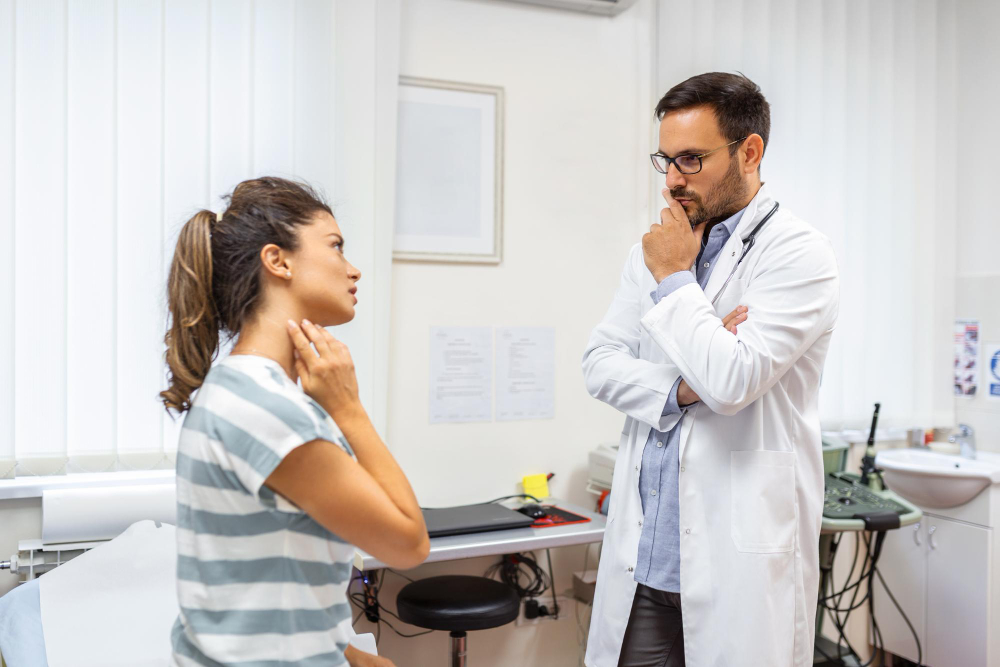
Your endocrinologist will review your medical history in detail. Expect questions about your periods, past pregnancies, skin changes, hair growth, weight changes, sleep, family history, and any history of diabetes or thyroid disease. Cleveland Clinic notes that PCOS evaluation commonly starts with symptoms, history, family history, weight, and blood pressure.
2. Physical exam
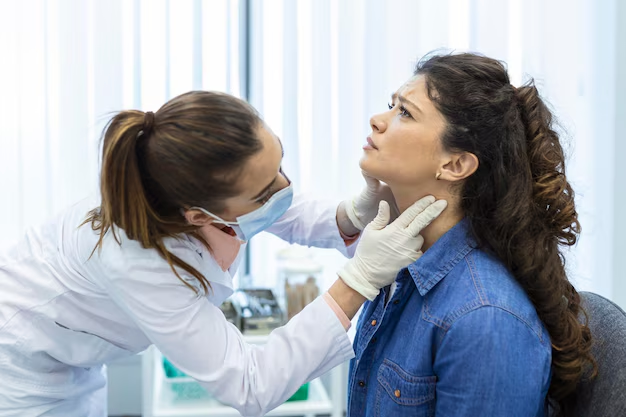
A physical exam may include weight, BMI, blood pressure, and a look at skin and hair changes linked to androgen excess or insulin resistance. Providers may look for acne, excess facial hair, hair loss, skin darkening, and skin tags during evaluation.
3. Lab tests and sometimes imaging
Testing depends on your symptoms, but common first-visit workups may include hormone testing, blood sugar evaluation, cholesterol testing, thyroid testing, and sometimes pelvic ultrasound.
| Test | Purpose | Why It Matters |
| Hormone panel such as testosterone, LH, and FSH | Checks hormone balance | Helps identify a PCOS pattern and rule out other causes |
| Insulin, glucose, A1c, or oral glucose tolerance testing | Looks for insulin resistance or diabetes risk | PCOS often affects blood sugar and metabolism |
| Thyroid panel such as TSH | Rules out thyroid disorders | Thyroid disease can overlap with PCOS symptoms |
| Pelvic ultrasound | Looks at ovarian appearance and other causes of abnormal bleeding | Can support diagnosis in the right clinical setting |
| Lipid panel | Checks cholesterol and triglycerides | PCOS can affect long-term metabolic health |
4. Treatment planning conversation
This is where the visit becomes personal. Your endocrinologist may talk about food choices, activity, sleep, stress, weight management, cycle support, insulin-sensitizing medicines, or hormone-based treatment options depending on your symptoms and goals.
How Long the First Visit May Take
A first PCOS endocrine visit is usually longer than a quick routine appointment because it often includes a full history, exam, and planning. In many practices, a detailed first visit may take about 45 to 90 minutes, depending on how complex the case is. That longer time helps the doctor look at the big picture rather than rushing into a label or a single prescription.
After the Appointment: What Comes Next?
The first visit is usually the beginning, not the end. After your appointment, the next steps may include:
- Getting lab work done
- Completing an ultrasound if needed
- Reviewing results at follow-up
- Confirming the diagnosis
- Adjusting treatment over time
- Setting goals for periods, skin, weight, and metabolic health
This matters because PCOS is a long-term condition. The 2023 international guideline emphasizes that PCOS affects health across the lifespan, so follow-up care is important.
Conclusion
Knowing what to expect at your first endocrinologist appointment for PCOS can make the process feel much less overwhelming. Your first visit usually includes a detailed history, physical exam, lab planning, and a treatment discussion built around your symptoms and goals. At Hilltop Endocrinology, Dr. Kehinde Folawewo offers specialized care for hormone and metabolic conditions, including obesity care and thyroid care, helping patients move from confusion to a clearer plan. If PCOS symptoms have been affecting your health, a focused endocrine visit can be an important next step. Call us at 240-752-0307 to book a consultation.
FAQ
Do I need to fast before bloodwork?
Sometimes. Hormone tests often do not need fasting, but fasting may be needed for glucose, cholesterol, triglycerides, or an oral glucose tolerance test.
Will I need an ultrasound?
Not always. Some patients do, especially if the diagnosis is unclear or there is a need to check the ovaries or rule out other causes of abnormal bleeding.
Can PCOS be cured?
PCOS is usually managed rather than cured. The goal is to control symptoms, improve hormone balance, lower long-term risk, and support your health goals over time.
Why would an endocrinologist check my thyroid too?
Because thyroid disease can cause symptoms that look similar to PCOS, including weight changes, irregular periods, and fatigue. Ruling it out helps make the diagnosis more accurate.