Living with Hashimoto’s thyroiditis can be incredibly frustrating when you take your medication but still feel exhausted.
It is disheartening to deal with brain fog and weight gain while being told your standard lab results look normal. You know something is still off, and trying to manage these symptoms alone can feel like a losing battle.
You do not have to settle for feeling unwell. Seeing an endocrinologist gives you access to the specialized care and advanced testing required to effectively manage Hashimoto’s and get your life back.
Understanding Hashimoto’s Thyroiditis?
Hashimoto’s thyroiditis is an autoimmune disorder where your immune system mistakenly attacks the thyroid gland, gradually destroying thyroid tissue and leading to hypothyroidism. This chronic condition affects millions of Americans, particularly women, and requires specialized management beyond basic thyroid hormone replacement.
The complexity of Hashimoto’s disease extends beyond simple hormone deficiency. Your body produces thyroid antibodies that continuously damage thyroid tissue, causing fluctuating hormone levels and diverse symptoms that require expert monitoring and treatment adjustments, such as those provided by an Endocrinologist.
Why See an Endocrinologist for Hashimoto’s Disease?
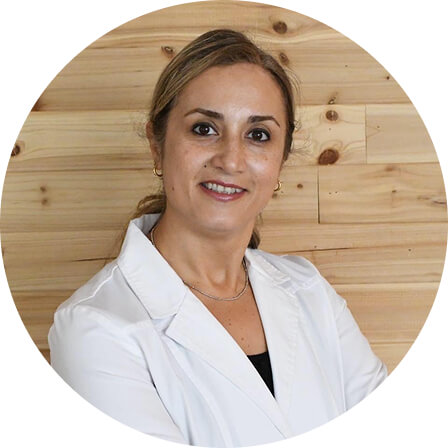
Endocrinologists are specialized doctors who are highly trained in treating hormone problems, and many focus on thyroid issues. At Hilltop Internal Medicine and Endocrinology, Dr. Kehinde Folawewo has special experience with complex thyroid cases like Hashimoto’s. This expertise is especially helpful when regular treatments do not fully relieve symptoms.
Comprehensive Thyroid Testing and Monitoring
An endocrinologist performs detailed thyroid function tests beyond basic TSH levels. These comprehensive panels include:
- Free T4 and Free T3 levels
- Thyroid peroxidase antibodies (TPO)
- Thyroglobulin antibodies
- Reverse T3 when indicated
- Thyroid ultrasound imaging
Regular check-ups help track how the disease is progressing and make sure your medication is right for you.
Advanced Treatment Options
Primary care doctors usually prescribe standard levothyroxine, but endocrinologists can offer more treatment options based on how you respond. These might include a mix of T4 and T3 therapy, custom-made medications, or other thyroid hormone options if standard treatments are not enough.
When to Consult a Thyroid Specialist
If you still have symptoms even while taking thyroid medication, it may be time to see an endocrinologist. Symptoms to watch for include:
- Chronic fatigue that affects daily activities
- Unexplained weight gain or difficulty losing weight
- Hair loss or thinning
- Depression or anxiety
- Memory problems or brain fog
- Cold intolerance
- Muscle weakness or joint pain
Difficulty Achieving Optimal Thyroid Levels
Some people may have difficulty maintaining stable thyroid hormone levels, even with regular medication adjustments. An endocrinologist can identify the underlying cause and help you reach more stable levels.
Complex Medical Conditions
Patients with multiple endocrine disorders, such as pregnancy or other autoimmune conditions, benefit from seeing an endocrinologist. These situations require careful coordination and expertise to manage interactions between different conditions and treatments.
Benefits of Specialized Hashimoto’s Treatment
Personalized Treatment Plans: Endocrinologists develop individualized treatment strategies based on your specific symptoms, lab results, and lifestyle factors. This personalized approach addresses the unique challenges each patient with Hashimoto’s disease faces.
Nutritional and Lifestyle Guidance: Specialized care includes recommendations for dietary modifications, supplement protocols, and lifestyle changes that support thyroid health. These interventions complement medical treatment and may help reduce inflammation and improve overall wellness.
Management of Associated Conditions: Hashimoto’s often occurs along with other autoimmune conditions such as celiac disease, rheumatoid arthritis, or Type 1 diabetes. Endocrinologists coordinate care for multiple conditions, ensuring treatments work together effectively.
What to Expect During Your Endocrinology Consultation
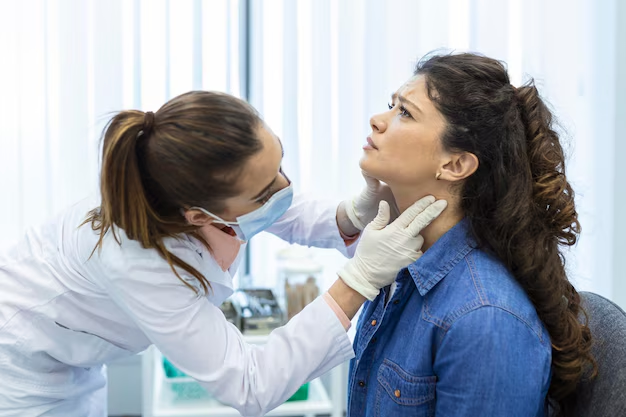
At your first visit to Hilltop Internal Medicine and Endocrinology, your thyroid health will be carefully checked. Dr. Folawewo will review your medical history, current symptoms, and past lab results, then perform a physical exam focused on your thyroid. They will establish baseline measurements and identify specific treatment needs. Follow-up appointments monitor your progress and allow for treatment adjustments based on your response to therapy.
Long-term Management Strategies
Managing Hashimoto’s effectively requires regular check-ups and ongoing care. Your endocrinologist will set up a long-term plan that includes:
- Regular thyroid function testing
- Medication adjustments as needed
- Monitoring for potential complications
- Screening for related autoimmune conditions
- Lifestyle modification support
This comprehensive approach ensures optimal thyroid function while minimizing disease progression and complications.
Making the Right Choice for Your Thyroid Health
Seeing an endocrinologist for Hashimoto’s is a step toward better long-term health and quality of life. With specialized care, you get advanced testing, more treatment choices, and expert support every step of the way.
This choice is especially important if regular treatments are not helping enough or if your health situation is complicated. An endocrinologist’s experience with thyroid problems can help you move from just managing symptoms to reaching your best health.
Frequently Asked Questions
How often should I see an endocrinologist for Hashimoto’s?
Initially, you may need appointments every 3-4 months until your thyroid levels stabilize. Once stable, visits typically occur every 6-12 months for monitoring and adjustments.
Can an endocrinologist cure Hashimoto’s disease?
While Hashimoto’s cannot be cured, an endocrinologist can effectively manage the condition, minimize symptoms, and prevent complications through proper treatment and monitoring.
What’s the difference between seeing an endocrinologist versus a primary care doctor?
Endocrinologists specialize in hormonal disorders and have access to advanced testing and treatment options for thyroid conditions, while primary care physicians provide general medical care.
Will insurance cover endocrinologist visits for Hashimoto’s?
Most insurance plans cover endocrinology consultations for diagnosed thyroid conditions, such as Hashimoto’s. Check with your insurance provider for specific coverage details.
How do I prepare for my first endocrinologist appointment?
Bring previous lab results, a list of current medications, a symptom diary, and any thyroid imaging reports. Prepare questions about your condition and treatment options.
Take Control of Your Hashimoto’s Treatment Today
If you are having trouble with Hashimoto’s symptoms or feel your current treatment is not working well enough, seeing an endocrinologist could make a big difference. At Hilltop Internal Medicine and Endocrinology, Dr. Kehinde Folawewo offers complete thyroid care and personal treatment plans to help you feel better and improve your quality of life. Don’t let Hashimoto’s take over your life. Contact Hilltop Internal Medicine and Endocrinology today to set up a visit and see how specialized care can help you get better results and relief from your symptoms.
Read more: