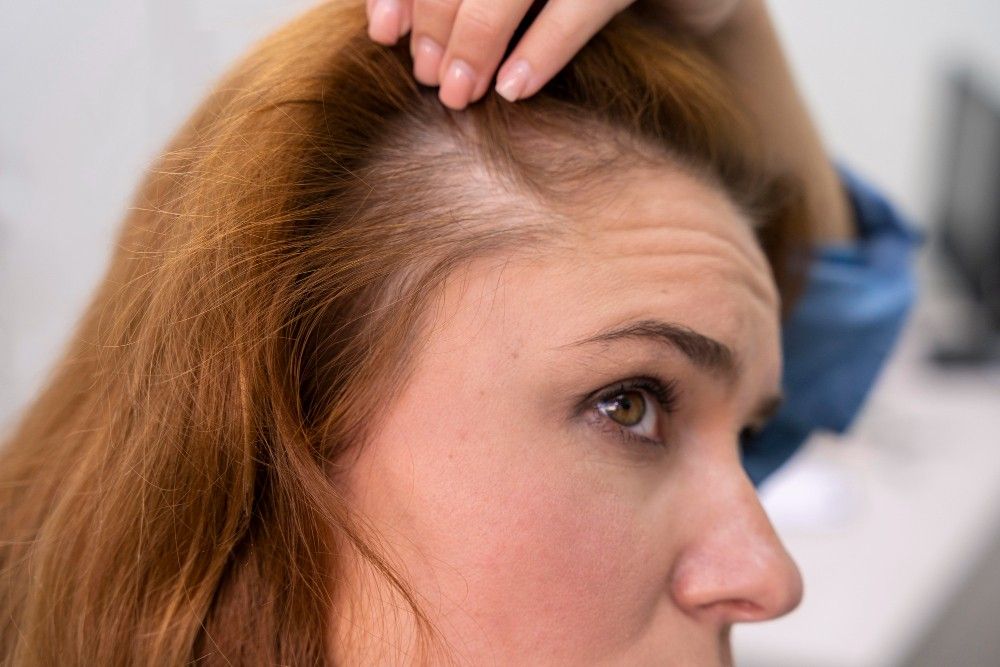
Hair loss is easy to dismiss at first, but it quickly becomes stressful when you start noticing more hair in the shower or patchy areas on your scalp. At this point, it’s normal to wonder what is causing it and who you should see. Many cases of alopecia are related to the scalp or genetics. But sometimes, hair loss is linked to hormones. Thyroid problems, PCOS, perimenopause, or other endocrine conditions can affect the hair growth cycle. When hormones are involved, an endocrinologist can help identify and treat the underlying cause.
This guide explains when primary care is enough, when you may need an endocrinologist for alopecia, and what to expect if you schedule an appointment.
Primary Care, Dermatology, and Endocrinology
Primary care is usually the first step when hair loss becomes noticeable. Your doctor can review medications, recent illness or stressors, nutrition, and family history, and order initial lab tests.
A dermatologist may help if your hair loss is patchy or your scalp is red, itchy, flaky, or painful. They can examine your scalp closely, order a biopsy if needed, and start medical treatment.
Endocrinology becomes valuable if your hair loss could be caused by a hormone imbalance. In these cases, a hormone specialist can identify the issue and create a long-term plan.
How Hormones Affect Hair Growth
Hair grows in cycles and hormones help regulate those cycles. If hormone levels shift significantly, more hairs may move into the shedding phase. This can cause noticeable thinning over time. Common hormone-related causes of hair loss include:
- Thyroid disorders – Both overactive and underactive thyroid conditions can cause diffuse hair loss.
- PCOS (Polycystic Ovary Syndrome) – It can lead to androgen-related thinning along the scalp.
- Menopause – Hormonal changes during menopause may contribute to gradual thinning.
- High cortisol levels – Chronic stress or excessive steroid use can disrupt hair growth patterns.
Not every case of hair loss is hormonal, but when symptoms suggest it might be, endocrine evaluation can provide clarity.
Common Types of Alopecia
Understanding the main types of alopecia can help you know what’s treatable, what testing may be needed, and who to see next. These include:
- Telogen effluvium: Sudden, diffuse shedding of hair often triggered by illness, stress, weight loss, surgery, pregnancy/postpartum changes, or medication shifts.
- Androgenetic (pattern) hair loss: Gradual hair thinning with a typical pattern influenced by genetics and androgen sensitivity.
- Alopecia areata: Patchy hair loss (autoimmune) sometimes associated with other autoimmune issues, including thyroid disease.
An endocrinologist won’t treat every type of alopecia directly, but they can identify and manage endocrine causes that worsen shedding or thinning.
Signs You Should See an Endocrinologist for Alopecia
Consider an endocrinology appointment if hair loss is paired with hormone-related symptoms, such as:
- Irregular periods, infertility, acne, or unwanted facial/body hair (possible PCOS)
- Heat intolerance, palpitations, unexplained weight changes, fatigue, or dry skin (possible thyroid disorder)
- Rapid progression of thinning or shedding without a clear trigger
- Hair loss that doesn’t improve after initial evaluation and basic correction (iron deficiency, medication review, stress/sleep changes)
What to Expect at Your Endocrinology Visit
A hair-loss-focused endocrinology visit typically includes:
- A detailed discussion about when the hair loss started
- Review of medications and supplements
- Symptom screening for thyroid or hormone imbalance
- Targeted lab testing if needed
- A clear treatment plan and follow-up timeline
If your hair loss is not hormone-related, you may be referred to dermatology for additional scalp-focused care.
When to Seek Urgent Care
Hair loss itself is rarely an emergency, but seek urgent evaluation if you have:
- Sudden hair loss with pain, redness, or infection
- Fever or signs of a severe reaction to medication
- Sudden systemic symptoms like chest pain or fainting
Most of the time, hair loss is best evaluated in a scheduled office visit.
Consult Our Endocrinologist for Alopecia
A consultation at Hilltop Internal Medicine and Endocrinology can help determine whether thyroid disease, androgen excess, or other hormonal and metabolic factors are contributing to your hair loss. For evaluation and next-step planning, contact us at (301) 567-9570 to schedule an appointment.
FAQs
Do endocrinologists treat alopecia?
Endocrinologists treat alopecia when it is linked to a hormone imbalance. However, primary scalp conditions are usually managed by a dermatologist.
Is alopecia an endocrine issue?
Alopecia is not always an endocrine issue. Some types are genetic or autoimmune, while others may be linked to thyroid disease or hormonal changes. An evaluation helps determine whether hormones are contributing.
Can hormone imbalance cause alopecia areata?
Alopecia areata is primarily an autoimmune condition, not a hormone disorder. However, hormone imbalances such as thyroid disease can coexist and may worsen overall hair shedding. Testing may be recommended if symptoms suggest an endocrine problem.