Are you experiencing unexplained weight changes, persistent fatigue, or mood swings that disrupt your daily life? These symptoms could signal an underlying endocrine disorder affecting millions of Americans. Without proper diagnosis and treatment, hormonal imbalances can lead to serious complications. Here are some of the most frequently encountered endocrine disorders.
Most Common Endocrine Disorders
Endocrine disorders occur when glands in your endocrine system, such as the thyroid, adrenal, pituitary, pancreas, or reproductive, produce too much or too little hormone. These glands release hormones that regulate metabolism, growth, reproduction, and mood. Some of the most common endocrine disorders are:-
Diabetes Mellitus
Diabetes affects how your body processes blood sugar, which is divided into “types”. Type 1 diabetes occurs when your pancreas produces little or no insulin. Type 2 diabetes develops when your body becomes resistant to insulin or doesn’t produce enough. Common symptoms include excessive thirst, frequent urination, blurred vision, and slow wound healing.
Thyroid Disorders
Hypothyroidism occurs when your thyroid gland produces insufficient hormones, causing fatigue, weight gain, cold sensitivity, and depression. Hyperthyroidism results from excessive thyroid hormone production, leading to weight loss, rapid heartbeat, anxiety, and heat intolerance.
Polycystic Ovary Syndrome (PCOS)
PCOS affects women of reproductive age and causes hormonal imbalance, irregular periods, excess hair growth, acne, and weight gain. This condition increases your risk of diabetes and heart disease.
Adrenal Insufficiency
Also called Addison’s disease, this condition occurs when your adrenal glands don’t produce enough cortisol and aldosterone. Symptoms include extreme fatigue, weight loss, low blood pressure, and skin darkening.
Cushing’s Syndrome
This disorder results from prolonged exposure to high cortisol levels. You may experience weight gain, purple stretch marks, high blood pressure, muscle weakness, and mood changes.
Recognizing Endocrine Disorder Symptoms
Early detection improves treatment outcomes. You need to watch for these early warning signs:
- Unexplained weight changes
- Chronic fatigue or weakness
- Changes in heart rate or blood pressure
- Excessive sweating or temperature sensitivity
- Changes in skin texture or appearance
- Hair loss or excessive hair growth
- Mood swings or depression
- Changes in menstrual cycles
- Sexual dysfunction
Risk Factors and Causes of Endocrine Disorders
There are several factors that increase your risk of developing endocrine disorders:
- Family history of hormonal conditions
- Autoimmune diseases
- Chronic stress
- Poor diet and sedentary lifestyle
- Environmental toxin exposure
- Certain medications
- Tumors or infections affecting endocrine glands
- Genetic mutations
What are the Diagnosis and Testing Options Available for Endocrine Disorders?
Accurate diagnosis requires a comprehensive evaluation. Your endocrinologist will perform:
- Complete medical history review
- Physical examination
- Blood tests measuring hormone levels
- Imaging studies (ultrasound, CT, or MRI scans)
- Stimulation or suppression tests
- Genetic testing when indicated
Are there any Treatment Options for Endocrine Disorders?
Yes, there are multiple treatment options, but however it varies based on your specific condition and severity. The treatments include:-
Hormone Replacement Therapy: Supplements deficient hormones to restore normal levels.
Medications: Control hormone production or block excessive hormone effects.
Lifestyle Modifications: Diet changes, regular exercise, stress management, and weight control.
Surgery: Removes tumors or overactive glands when necessary.
Radiation Therapy: Treats certain pituitary tumors or thyroid conditions.
What are the Prevention Strategies for Endocrine Disorders?
While you cannot prevent all endocrine disorders, there are several steps that reduce the risks of endocrine disorders:
- Maintain a healthy body weight
- Exercise regularly
- Eat balanced, nutrient-rich meals
- Manage stress effectively
- Limit exposure to endocrine disruptors
- Schedule regular health screenings
- Monitor family history risk factors
Whom to Consult for Endocrine Disorder?
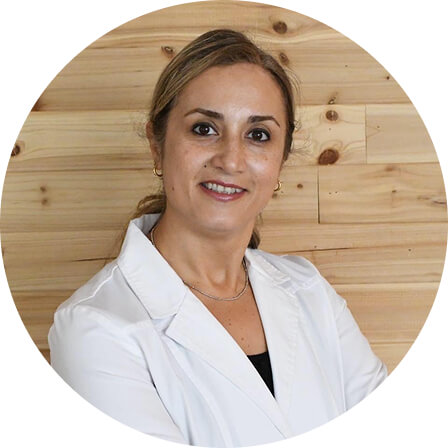
For an Endocrine disorder, you need to consult an endocrine specialist if you experience persistent symptoms affecting your quality of life, have abnormal hormone test results, or need specialized management for diagnosed endocrine conditions. At Hilltop Internal Medicine and Endocrinology, Dr. Kehinde Folawewo specializes in identifying and treating endocrine disorders to restore your hormonal balance and improve your quality of life.
Take Control of Your Hormonal Health Today
Don’t let endocrine disorders control your life. If you’re experiencing symptoms of hormonal imbalance or have concerns about your endocrine health, Hilltop Internal Medicine and Endocrinology provides expert diagnosis and personalized treatment plans. Dr. Kehinde Folawewo combines advanced diagnostic techniques with compassionate care to help you achieve optimal hormonal balance. Schedule your consultation today at (301) 567-9570 and take the first step toward better health. Your hormones regulate every aspect of your wellbeing – trust Hilltop Internal Medicine and Endocrinology to help you restore balance and reclaim your vitality.