

PCOS Treatment Fort Washington
Polycystic Ovary Syndrome (PCOS) is one of the most common and misunderstood hormonal conditions affecting women. It often goes undiagnosed for years due to its wide range of symptoms. Many patients spend years cycling through appointments, receiving fragmented care that addresses individual symptoms while missing the underlying hormonal and metabolic imbalance driving the condition.
Women in Fort Washington and nearby areas reach out to Dr. Kehinde Folawewo at Hilltop Internal Medicine and Endocrinology for a comprehensive PCOS evaluation and treatment. As an experienced endocrinologist with double board certifications in internal medicine and endocrinology, her approach focuses on identifying the underlying hormonal and metabolic drivers of PCOS.
What Is PCOS?
Polycystic Ovary Syndrome is a hormonal disorder that affects ovulation and hormone balance. It is characterized by excess androgen production, irregular ovulation, and often insulin resistance. These hormonal disruptions interfere with normal menstrual cycles and metabolic function, leading to a wide range of symptoms that vary from person to person. Common signs include:
- Irregular, infrequent, or absent menstrual periods
- Unexplained weight gain, especially around the abdomen
- Acne, oily skin, or cystic breakouts
- Excess hair growth on the face, chest, or back (hirsutism)
- Thinning scalp hair
- Difficulty getting pregnant
- Low energy, brain fog, or mood changes
If left untreated, PCOS may increase the risk of type 2 diabetes, high cholesterol, sleep apnea, endometrial hyperplasia, and cardiovascular disease. However, with early diagnosis and targeted endocrine care, many of these risks and symptoms can be reduced.
Can an Endocrinologist Provide PCOS Care?
At its core, PCOS is a hormone-driven condition. That’s why an endocrinologist plays a central role in diagnosis and treatment. While some providers focus solely on symptoms like irregular periods or acne, endocrine care involves examining how hormones, metabolism, and insulin function interact.
Women traveling from Fort Washington to Hilltop Internal Medicine and Endocrinology receive a comprehensive evaluation. It begins with a detailed medical history and targeted testing, which may include:
- LH and FSH levels and their ratio
- Total and free testosterone
- Insulin and fasting glucose
- Hemoglobin A1C
- Thyroid function tests
- Additional labs based on symptoms
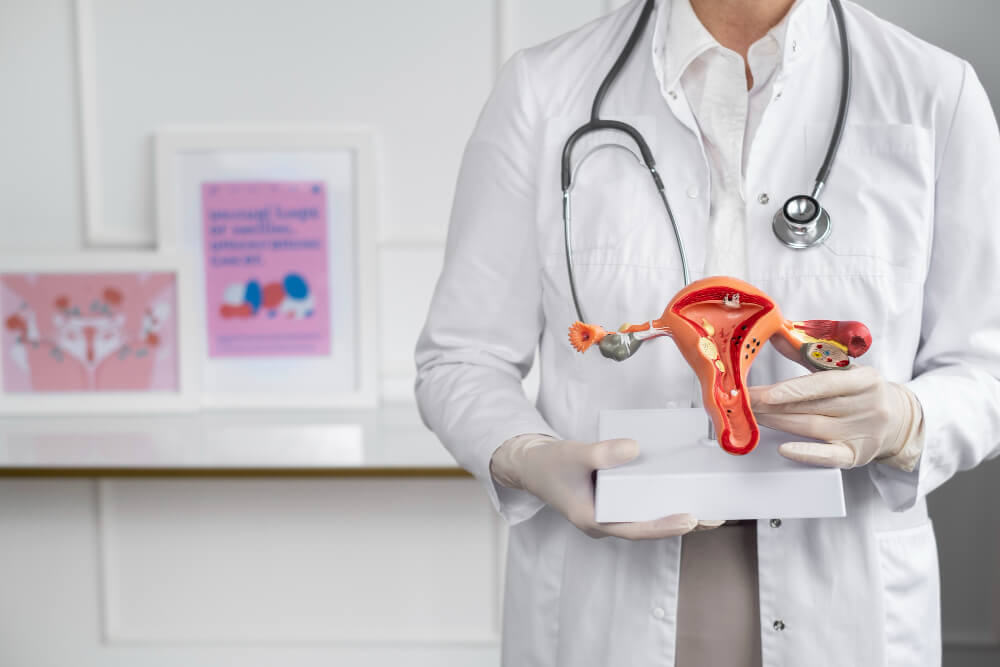
A pelvic ultrasound may be recommended in certain cases to assess ovarian morphology and rule out other conditions with overlapping symptoms.
Customized PCOS Treatment Plans
After reviewing results, Dr. Folawewo develops a customized treatment plan designed to address the specific drivers of your PCOS. Treatment may include:
- Lifestyle and Nutrition Support: Targeted lifestyle guidance can significantly improve insulin sensitivity and reduce androgen excess. Plans are realistic, sustainable, and tailored to each patient’s metabolic needs.
- Insulin-Sensitizing Therapy: For patients with insulin resistance, medications such as metformin or GLP-1 receptor agonists may be used to support weight management, improve metabolic markers, and reduce hormonal disruption.
- Hormonal Regulation: Cycle regulation and symptom control may involve combined oral contraceptives or anti-androgen medications to manage acne, excess hair growth, and irregular periods.
- Fertility-Focused Treatment: For patients trying to conceive, ovulation induction therapies such as letrozole, clomiphene, or injectable gonadotropins may be used, with close monitoring to optimize outcomes and reduce risk.

Ongoing Monitoring and Follow-Up
PCOS management is not a single appointment; it’s a process. Patients are followed regularly to assess symptom improvement, review lab trends, and adjust therapy as the body responds.
Women may notice meaningful improvements in cycle regularity, energy, skin health, and weight within three to six months, though timelines vary depending on severity and individual physiology.
Why Patients from Fort Washington Choose Hilltop Endocrinology
Patients seeking PCOS care from Fort Washington often choose Dr. Kehinde Folawewo because of her:
- Double board certification in internal medicine and endocrinology
- Specialized focus on hormonal and metabolic disorders
- Root-cause, data-driven approach to PCOS
- Experience managing both symptom relief and long-term health risks
- Compassionate care that adapts as life stages and goals change
Whether your primary concern is cycle regulation, weight management, acne, or fertility, treatment is built around your needs, not just a diagnosis.
Serving Patients from Fort Washington and Surrounding Areas
Patients seeking evaluation and treatment for PCOS often travel from Fort Washington neighborhoods such as:
Our endocrinologist at Hilltop Internal Medicine and Endocrinology also serves patients from nearby communities, including Oxon Hill, National Harbor, Temple Hills, and Clinton. Whether you live along the Potomac River, near Route 210, or closer to the National Harbor corridor, we are here for you.
PCOS Care Focused on Your Health
Living with PCOS can feel overwhelming, but with the right medical guidance, symptoms can be managed and long-term health protected. A personalized endocrine approach can allow women to regain control of their cycles, metabolism, and overall well-being.
Women from Fort Washington seeking PCOS evaluation and treatment can contact Hilltop Internal Medicine and Endocrinology to schedule an appointment with Dr. Kehinde Folawewo by calling (301) 567-9570.
Frequently Asked Question
Do endocrinologists treat PCOS?
Yes, endocrinologists commonly diagnose and treat PCOS because it is driven by hormonal and metabolic imbalances.
Is PCOS considered an endocrine disease?
Yes, PCOS is classified as an endocrine disorder because it involves abnormal hormone regulation affecting ovulation, metabolism, and androgen levels.
Which hormone is lacking in PCOS?
PCOS is not caused by a single hormone deficiency, but often involves low or irregular progesterone due to disrupted ovulation.
How can you tell if you have PCOS?
PCOS is diagnosed based on symptoms, hormone testing, menstrual irregularity, and sometimes ultrasound findings evaluated by a clinician.