Treatments for PCOS in Oxon Hill are a structured endocrine and gynecologic intervention strategy designed to correct the underlying hormonal and metabolic dysfunction driving Polycystic Ovary Syndrome rather than simply suppressing symptoms. In real clinical terms, PCOS is a heterogeneous endocrine disorder characterized by hyperandrogenism, ovulatory dysfunction, and polycystic ovarian morphology, as defined by by the defined by the Endocrine Society clinical guideline for PCOS diagnosis (Rotterdam criteria) widely used in reproductive endocrinology widely used in reproductive endocrinology. . In Oxon Hill and the broader Prince George’s County healthcare ecosystem, patients are often first evaluated by an endocrinologist Oxon Hill MD PCOS specialist or a gynecologist near Oxon Hill PCOS treatment provider because early misclassification leads to years of ineffective care.
The reality is simple: PCOS is not a cosmetic condition, and it is not solved by isolated prescriptions. It is a systemic metabolic disorder influenced by insulin resistance, luteinizing hormone imbalance, and inflammatory signaling. Effective care requires a coordinated model often delivered through a PCOS clinic or a hormone specialist where metabolic and reproductive pathways are treated together, not separately. Without that integration, outcomes remain inconsistent and relapse is common.
Why Standard PCOS Advice Fails in the Real World
Most online guidance on PCOS treatment sounds consistent, but clinically it collapses under real metabolic complexity. The common advice—“lose weight, take metformin, regulate cycles”—is technically incomplete and often misleading when applied without endocrine stratification.
First, weight loss alone does not resolve ovarian androgen excess in many patients. That is a measurable clinical reality, not opinion. Second, Metformin improves insulin sensitivity, supported by the NIH evidence review on metformin use in PCOS, though response varies by phenotype and severity of insulin resistance , but the data from long-term endocrine studies shows variable ovulatory response depending on baseline insulin resistance severity. Third, cycle regulation with oral contraceptives suppresses symptoms but does not correct underlying hypothalamic-pituitary-ovarian axis dysfunction.
Here is where most articles fail: they treat PCOS as a single disease. It is not. It is a spectrum disorder. Some patients are primarily insulin-resistant, others are adrenal-driven, and some present with lean PCOS where metabolic markers appear deceptively normal.
Short sentence. Clinically important.
If you misclassify the subtype, you mis-treat the patient.
This is why generic “one-size-fits-all” guidance fails when applied in Oxon Hill primary care settings without endocrine depth. Real management requires phenotype classification, not symptom suppression.
Start personalized care
with an expert endocrinologist—get answers, not assumptions.
Step-by-Step Clinical System for PCOS Treatment
The most effective Treatments for PCOS in Oxon Hill follow a layered endocrine correction model rather than isolated prescriptions. This is the system used in modern reproductive endocrinology practice aligned with updated ESHRE and ACOG-aligned clinical principles for metabolic-reproductive disorders.
Step 1: Phenotype Identification (Not Assumption-Based Diagnosis)
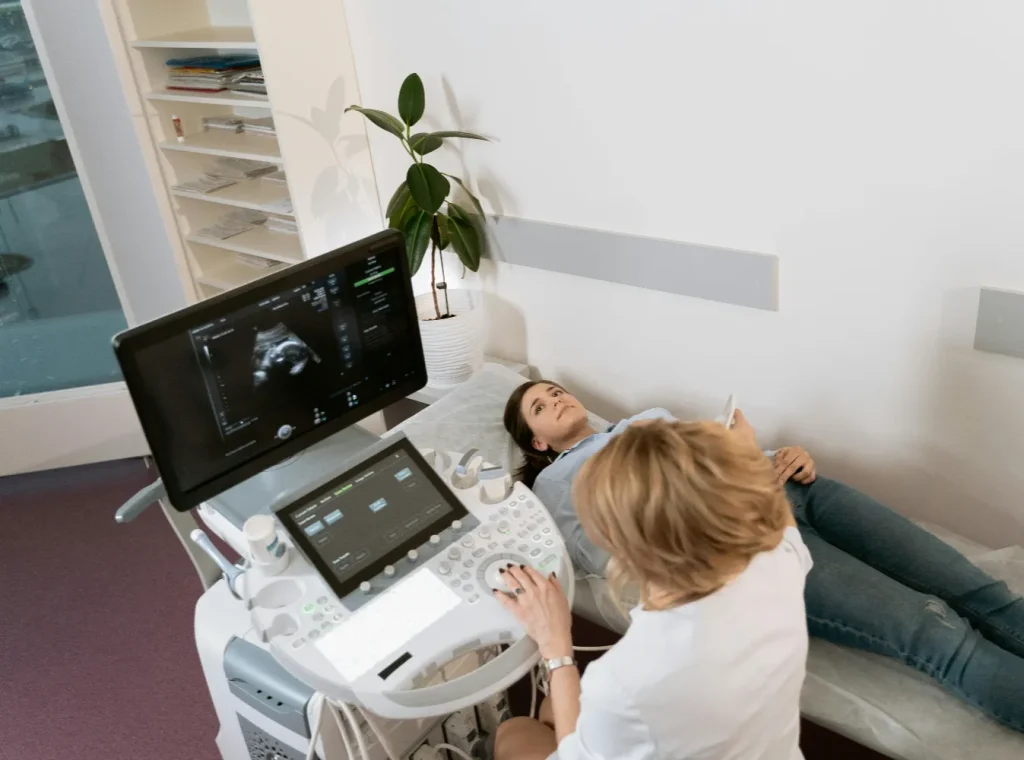
Before treatment begins, the first step is confirming which PCOS phenotype is present. This includes biochemical androgen testing, fasting insulin evaluation, LH:FSH ratio interpretation (with caution, since it is not diagnostic alone), and ultrasound ovarian morphology when appropriate.
Clinically, this step determines whether the patient is primarily insulin-resistant, ovulatory-dysregulated, or androgen-dominant. Without this classification, treatment selection becomes guesswork.
In Oxon Hill, a properly structured endocrinologist Oxon Hill MD PCOS evaluation is the difference between targeted therapy and chronic symptom cycling.
Step 2: Metabolic Reset as the Foundation Layer
Insulin resistance is present in a large subset of PCOS cases, even in non-obese patients. The endocrine literature consistently shows that hyperinsulinemia directly stimulates ovarian theca cells, increasing androgen production.
First-line intervention often includes dietary glycemic stabilization, resistance training, and in many cases, insulin-sensitizing medication such as metformin. Emerging clinical data also supports GLP-1 receptor agonists in select metabolic phenotypes under specialist supervision, though this is not universal therapy.
This stage is not cosmetic weight loss advice. It is endocrine recalibration.
Step 3: Hormonal Regulation Strategy
Once metabolic signaling is stabilized, hormonal regulation becomes more predictable. Combined oral contraceptives may be used to regulate androgen suppression, but in evidence-based practice they are not the endpoint of care.
Cycle restoration approaches may include ovulation induction in fertility-seeking patients, typically using letrozole as first-line therapy per WHO fertility guideline recommending letrozole for PCOS ovulation induction per reproductive endocrinology guidelines.
This is where a hormone specialist Maryland PCOS care provider plays a critical role, especially when fertility preservation is part of the treatment objective.
Step 4: Long-Term Ovarian Function Restoration
The long-term goal is not symptom control—it is restoration of predictable ovulatory function. This requires sustained metabolic stability and endocrine feedback normalization.
Patients who only receive symptomatic treatment often relapse when medication is stopped. Those treated with structured metabolic-hormonal sequencing maintain longer remission windows.
For patients in Oxon Hill seeking structured care, exploring a dedicated pathway such as Hilltop Endocrinology PCOS Services or accessing Hilltop Endocrinology PCOS Services care pathways like the one described in Personalized PCOS Treatment in Oxon Hill can provide integrated evaluation rather than fragmented care.
You can also review our structured clinical approach through Personalized PCOS Treatment in Oxon Hill which outlines how endocrine-first protocols are applied in real practice.
For patients comparing options, understanding what qualifies as Personalized PCOS Treatment in Oxon Hill versus generic symptom management is essential for long-term outcomes.
Step 5: Monitoring
PCOS is a dynamic endocrine condition. Lab monitoring of insulin markers, androgen levels, and ovulatory tracking is necessary to adjust treatment. Static prescriptions without reassessment are outdated practice models.
The data suggests otherwise: patients monitored quarterly show significantly better metabolic stability compared to those managed annually without endocrine recalibration.
Key Takeaways
- PCOS is a metabolic-endocrine disorder, not just a reproductive condition
- Misclassification of phenotype is the most common clinical failure point
- Insulin resistance is a primary driver in most cases, even without obesity
- Hormonal therapy alone does not correct root endocrine dysfunction
- Structured multi-step treatment produces significantly better long-term outcomes
- Local access to a gynecologist near Oxon Hill PCOS treatment should include endocrine collaboration
What’s Next for PCOS Care? (2027–2030)
PCOS management is shifting toward precision endocrinology. Between 2027 and 2030, treatment models will likely move further away from generalized prescriptions and toward biomarker-driven protocols using continuous metabolic monitoring and AI-assisted endocrine profiling.
Medication strategies will also become more phenotype-specific, especially with expanded use of metabolic agents targeting insulin signaling pathways. In clinical practice, this means fewer “standard protocols” and more individualized endocrine mapping.
For patients in Oxon Hill, access to integrated care models such as a dedicated PCOS clinic structure or advanced hormone specialist PCOS care programs will become the standard rather than the exception.
The direction is clear: less symptom management, more root-cause endocrine correction.
FAQ
What is the most effective first-line treatment for PCOS in Oxon Hill?
The most effective first-line approach is metabolic stabilization combined with phenotype-based endocrine assessment. Medication alone is insufficient without understanding insulin and androgen drivers.
Do I need an endocrinologist or a gynecologist for PCOS?
In most moderate to complex cases, both. A coordinated endocrinologist Oxon Hill MD PCOS and gynecologic approach ensures metabolic and reproductive factors are treated together.
Can PCOS be permanently cured?
No. PCOS is a chronic endocrine condition. However, symptoms and metabolic dysfunction can be controlled long-term with structured treatment.
Is weight loss required for all PCOS patients?
No. While beneficial for insulin resistance, PCOS occurs in both obese and lean individuals. Treatment must be individualized.