Hormonal acne can be one of the most difficult forms of acne to control. Many patients try topical creams, prescription antibiotics, or multiple skin care routines with little lasting improvement. When breakouts persist despite proper dermatologic treatment, the root cause is often hormonal.
In these cases, consulting an endocrinologist for hormonal acne may provide the answers when others cannot. Below, Dr. Falawewo provides a detailed explanation on how hormonal imbalances cause acne, why they occur, and what an endocrinologist can do to treat the underlying condition.
What Is Hormonal Acne?
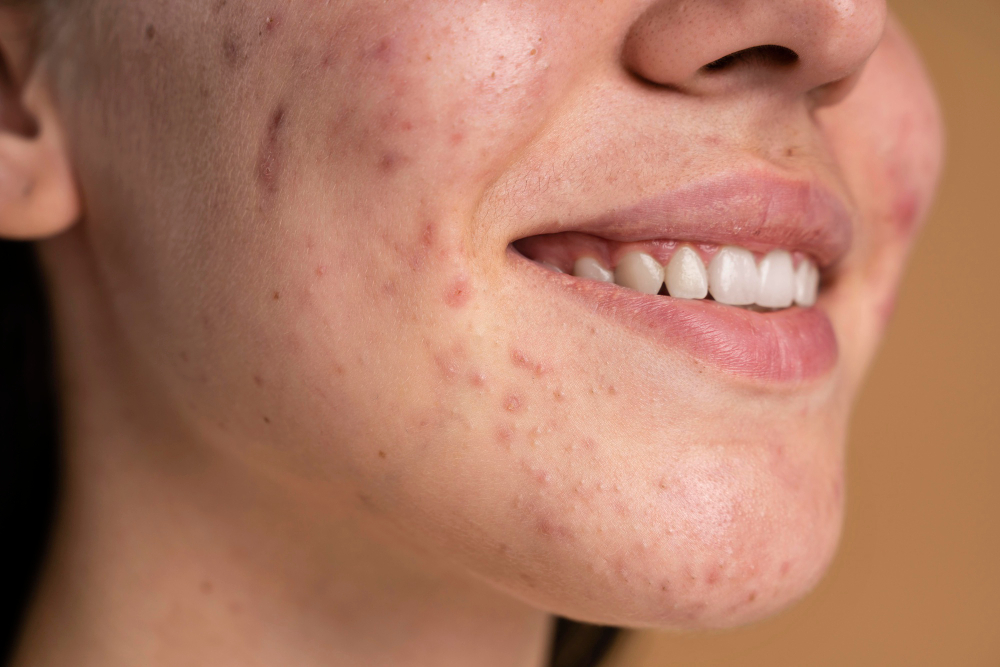
Hormonal acne is acne triggered or worsened by imbalances in the body’s hormone levels. It most often appears along the jawline, chin, and lower cheeks. It may also affect the back and chest.
Unlike adolescent acne, which is primarily related to puberty, adult hormonal acne often follows a predictable pattern. Breakouts may worsen before menstruation, appear during periods of stress, or continue into the 30s, 40s, and beyond.
Several hormones contribute to this condition:
- Androgens such as testosterone and DHEA-S stimulate oil production in the skin.
- Estrogen and progesterone fluctuations can disrupt skin stability.
- Cortisol increases oil production and inflammation during stress.
- Insulin resistance increases androgen levels, which directly worsen acne.
When these hormones fall out of balance, breakouts persist, and that’s where an endocrinologist becomes essential.
Start personalized care
with an expert endocrinologist—get answers, not assumptions.
What Does an Endocrinologist Do for Hormonal Acne?
An endocrinologist specializes in disorders of the hormonal and metabolic systems. When acne does not improve with dermatologic treatment, an endocrinologist evaluates whether a systemic hormonal condition is driving the breakouts.
At Hilltop Endocrinology in Oxon Hill, Maryland, Dr. Kehinde Folawewo, MD, a double board-certified endocrinologist and fellowship-trained specialist, evaluates and treats endocrine conditions that commonly contribute to hormonal acne. The practice manages PCOS, thyroid disorders, adrenal conditions, insulin resistance, amenorrhea, and pituitary disorders.
Instead of focusing only on the skin, the evaluation centers on identifying hormonal triggers.
What does an Endocrinologist Evaluate?
A thorough hormonal evaluation for acne generally includes assessment of the following:
- Androgen levels: total and free testosterone, DHEA-S, DHEAS
- SHBG (sex hormone-binding globulin) levels
- Cortisol levels, particularly in cases of suspected adrenal dysfunction
- Thyroid function panel: TSH, free T3, free T4
- Fasting insulin and glucose levels to assess insulin resistance
- LH and FSH ratios, relevant in PCOS diagnosis
- Prolactin levels, which can influence androgen balance
Based on these results, Dr. Folawewo builds an individualized treatment plan that targets the underlying hormonal imbalance rather than relying solely on topical or surface-level interventions.
Signs when Hormonal Acne Requires an Endocrinologist
Not all acne requires a referral to an endocrinologist. However, certain signs indicate a deeper hormonal cause that warrants a specialist evaluation:
- Acne that persists into adulthood despite standard dermatological treatment
- Breakouts that follow a predictable cycle, worsening before or during menstruation
- Acne accompanied by irregular periods, heavy bleeding, or no menstruation at all
- Unwanted facial or body hair growth alongside acne
- Acne that appears with unexplained weight gain, fatigue, or hair loss
- A diagnosis of PCOS, thyroid disease, or insulin resistance
- Male patients experiencing acne alongside gynecomastia or low testosterone symptoms
Hormonal Conditions Treated at Hilltop Endocrinology That Cause Acne
Hilltop Endocrinology treats several conditions that are directly linked to hormonal acne. Understanding these connections helps patients seek the right care at the right time.
Polycystic Ovary Syndrome (PCOS)
PCOS is one of the most common causes of hormonal acne in adult women. Elevated androgens increase oil production, leading to cystic breakouts along the jawline and chin. Treating PCOS can significantly reduce acne recurrence.
Thyroid Disorders
Both hypothyroidism and hyperthyroidism affect skin health. Thyroid imbalance alters metabolism and can influence oil production and skin turnover. Hashimoto’s disease and Graves’ disease are commonly treated at Hilltop Endocrinology.
Adrenal Dysfunction
The adrenal glands regulate cortisol and certain androgens. Conditions such as Cushing disease, adrenal adenomas, adrenal insufficiency, and hyperaldosteronism may contribute to persistent acne. Evaluation may include targeted lab testing and imaging when appropriate.
Insulin Resistance and Metabolic Conditions
Elevated insulin stimulates androgen production. Patients with metabolic syndrome or early type 2 diabetes frequently experience hormonally driven acne. Improving insulin sensitivity can reduce acne severity.
Prolactinomas and Pituitary Conditions
Prolactinomas and other pituitary adenomas may disrupt hormonal signaling and contribute to acne. These conditions are often overlooked in routine acne evaluations but are treated at Hilltop Endocrinology.
Endocrinologist vs. Dermatologist for Hormonal Acne
Dermatologists are trained to treat the skin directly. For hormonal acne with a confirmed or suspected systemic cause, coordinated care between a dermatologist and an endocrinologist gives the best results. While a dermatologist may prescribe topical retinoids, antibiotics, or isotretinoin, these approaches do not address the hormonal imbalance that continues to drive breakouts.
An endocrinologist identifies and corrects the underlying endocrine dysfunction. Treatments may include hormonal therapy, insulin-sensitizing medications, thyroid management, or targeted interventions for adrenal conditions. When both specialists work in alignment, patients experience a greater reduction in acne severity and a lower rate of recurrence.
How Hilltop Endocrinology Approaches Hormonal Acne Treatment?
At Hilltop Endocrinology, Dr. Folawewo takes a comprehensive, patient-centered approach to hormonal health. Initial consultations generally last between 40 minutes to one hour, allowing enough time to thoroughly review a patient’s history, symptoms, and prior lab results.
The practice accepts private insurance, Medicare, and self-pay patients. In-person and telemedicine appointments are available, making access to specialized hormonal care straightforward regardless of a patient’s schedule or location.
Dr. Folawewo follows the latest clinical guidelines and prescribes only evidence-based therapies. Patients can expect personalized recommendations, not a one-size-fits-all protocol. Depending on findings, diagnostic testing may include blood panels, urine studies, imaging such as ultrasound or MRI, and hormone-specific assays.
What to Expect at the First Endocrinology Appointment?
Patients should arrive at the first appointment prepared with the following:
- A list of current medications and any supplements being taken
- Prior lab results, particularly any hormone panels, metabolic panels, or thyroid tests
- A referral from the primary care provider, if required by the insurance plan
- Insurance card and valid photo identification
- Documentation of menstrual cycle irregularities, if applicable
Schedule a Hormonal Acne Evaluation at Hilltop Endocrinology
Persistent acne that does not respond to standard skin treatments is not a cosmetic problem. It is a hormonal one. Hilltop Endocrinology in Oxon Hill, Maryland, provides expert, evidence-based evaluation and treatment for the endocrine conditions that drive hormonal acne in adults.
Dr. Kehinde Folawewo, a double board-certified endocrinologist, takes the time to understand each patient’s full hormonal picture and builds a treatment plan that targets the root cause.
Patients residing in Oxon Hill and the nearby area can schedule an appointment by calling (301) 567-9570 or (240) 696-3001.
Take the first step toward clearing acne at its source. Book an appointment with Hilltop Endocrinology today.
FAQs
Can an endocrinologist help with hormonal acne?
Yes—especially if acne is linked to PCOS, insulin resistance, thyroid disease, adrenal problems, or high androgens.
When should I see an endocrinologist for acne?
When acne persists despite dermatology care, worsens around periods, or comes with irregular cycles, unwanted hair growth, weight gain, or fatigue.
What tests do endocrinologists run for hormonal acne?
Common tests include testosterone (total/free), DHEA-S, SHBG, TSH/free T4, fasting glucose/insulin, LH/FSH, cortisol, and prolactin.
Does PCOS cause jawline acne?
Often yes. PCOS can raise androgen levels, increasing oil production and cystic acne along the jawline and chin.
Can thyroid problems cause acne in adults?
Thyroid imbalance can affect skin turnover and oil balance, which may worsen breakouts in some people.
Can insulin resistance cause acne?
Yes. High insulin can increase androgen activity, which may trigger or worsen acne.
Do high cortisol levels cause acne?
Elevated cortisol (stress hormone) can increase inflammation and oil production, making acne harder to control.
Should I see a dermatologist or endocrinologist for hormonal acne?
Many people benefit from both: dermatologists treat the skin; endocrinologists treat the hormone driver behind recurring acne.
Can men see an endocrinologist for hormonal acne?
Yes—especially if acne is paired with low testosterone symptoms, gynecomastia, or other hormone-related changes.
How long does hormonal acne treatment take to work?
It varies, but many hormone-based plans take several weeks to a few months to show clear improvement.