

Thyroid Treatment in Oxon Hill, MD
Thyroid conditions often go unnoticed for years. This is because its symptoms are easy to dismiss, like low energy, mood changes, and unexplained weight gain or loss. When these are not properly evaluated, patients may feel frustrated, unheard, or stuck without answers.
At Hilltop Internal Medicine and Endocrinology, we offer thyroid treatment in Oxon Hill guided by Dr. Kehinde Folawewo. She is a double board-certified endocrinologist with extensive experience in diagnosing and caring for endocrine disorders. She focuses on careful testing, accurate diagnosis, and personalized treatment plans designed to address both symptoms and long-term thyroid health.
What Is the Thyroid?
The thyroid is a small, butterfly-shaped gland located in the front of your neck. Even though it is small, it plays an important role in your body. The thyroid controls how fast or slow your body works by releasing hormones that affect:
- Metabolism (how your body uses energy)
- Heart rate
- Body temperature
- Weight
- Digestion
- Mood and focus
- Menstrual cycles
When the thyroid is not working properly, many parts of your body can feel off, even if you cannot explain why.
Common Thyroid Conditions We Treat
Thyroid disorders can show up in different ways, depending on how the gland is affected. Here are the common types of thyroid disorders we treat:

Hypothyroidism (Underactive Thyroid)
Hypothyroidism happens when the thyroid does not make enough hormones. This is one of the most common thyroid problems.
Common symptoms include:
- Constant tiredness
- Weight gain with no clear reason
- Feeling cold often
- Dry skin and hair
- Brain fog or slow thinking
- Depression or low mood
Hyperthyroidism (Overactive Thyroid)
Hyperthyroidism occurs when the thyroid gland makes too much hormone, causing the body to speed up.
Common symptoms include:
- Fast or irregular heartbeat
- Anxiety or nervousness
- Weight loss despite normal eating
- Heat intolerance
- Tremors
- Trouble sleeping
Signs You May Need Thyroid Treatment
Many thyroid symptoms develop slowly, which is why they are often missed or blamed on stress or aging. You may want to see a thyroid specialist if you experience:
- Ongoing fatigue that does not improve with rest
- Unexplained weight changes
- Changes in heart rate
- Hair thinning or hair loss
- Mood changes or anxiety
- Irregular menstrual cycles
- Neck swelling or discomfort
If these symptoms sound familiar, proper testing is the next step.
How Thyroid Conditions Are Diagnosed
At Hilltop Internal Medicine and Endocrinology, thyroid diagnosis is based on both lab testing and clinical symptoms, not just one number.
Blood Tests
Blood tests help measure how your thyroid is functioning. These tests show whether your thyroid is underactive, overactive, or affected by an autoimmune condition.
Imaging and Additional Testing
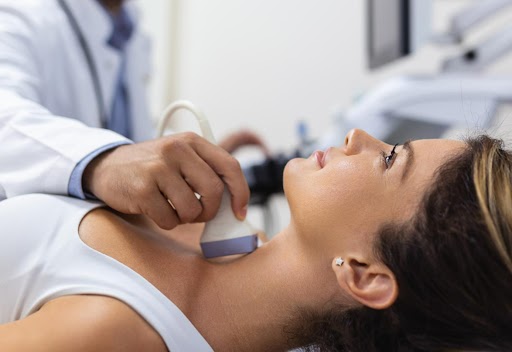
If needed, we may recommend a thyroid ultrasound. Not every patient needs imaging. It is tailored to your specific case.
Thyroid Treatment Options in Oxon Hill
Once a thyroid condition is diagnosed, the next step is choosing the right treatment plan.
Medication for Hypothyroidism
Hypothyroidism is usually treated with thyroid hormone replacement. The goal is to restore hormone levels to a healthy range and relieve symptoms. Treatment is carefully adjusted over time, based on follow-up labs and how you feel, not guesswork.
Treatment for Hyperthyroidism
Hyperthyroidism treatment depends on the cause and severity. Options may include:
- Medication to slow hormone production
- Monitoring for mild cases
- Referral for additional care when needed
Thyroid Care for Women and Men
Thyroid disorders are more common in women, especially during pregnancy, postpartum, perimenopause (the period leading up to menopause), and menopause. However, men also experience thyroid disease, and symptoms can look different. Hilltop Internal Medicine and Endocrinology provides thyroid care for both women and men at every stage of life.
Why Choose Hilltop Internal Medicine and Endocrinology for Thyroid Care?
Thyroid disorders often require long-term management, not one-time treatment. Patients choose Hilltop Internal Medicine and Endocrinology because of:
- Specialized endocrine care focused on thyroid and hormone disorders
- Accurate, evidence-based testing to confirm the right diagnosis
- Personalized treatment plans adjusted to symptoms, labs, and lifestyle
- Clear explanations so patients understand their condition and care
- Regular follow-up and monitoring to keep treatment effective
Your care plan is designed around your symptoms, your lab tests, and your life.
Schedule Thyroid Treatment in Oxon Hill
If you are experiencing symptoms or have concerns about your thyroid, expert care is available at Hilltop Internal Medicine and Endocrinology. We provide tailored thyroid treatment for patients in Oxon Hill and the surrounding Maryland communities.
A clear diagnosis and the right treatment plan can make a meaningful difference in how you feel every day. Call us at (301) 567-9570 and take the first step toward better thyroid health by scheduling a consultation today.
Frequently Asked Question
How Long Does Thyroid Treatment Take to Work?
This depends on the condition and treatment type. Many patients begin to feel better within weeks, but full improvement can take several months as hormone levels stabilize.
What foods are good for your thyroid?
Foods like fish, eggs, dairy, nuts, fruits, vegetables, and whole grains support thyroid health when eaten as part of a balanced diet.
Can thyroid cause dizziness or balance problems?
Yes, thyroid imbalances can sometimes cause dizziness or balance issues due to effects on blood pressure, heart rate, or inner ear function.
What is the best treatment for thyroid?
The best treatment depends on the type of thyroid condition and may include medication, monitoring, or other therapies guided by an endocrinologist.
What are the causes of thyroid problems?
Thyroid problems can be caused by autoimmune conditions, genetics, hormone changes, iodine imbalance, medications, or inflammation.
What are the early warning signs of thyroid problems?
Early signs may include fatigue, weight changes, mood changes, hair thinning, temperature sensitivity, and changes in heart rate.
Why do females get thyroid problems more often?
Females are more likely to develop thyroid conditions due to hormonal changes related to pregnancy, postpartum periods, and menopause, as well as autoimmune factors.